Project ESCAPE
Project ESCAPE
Every Second Counts
Project ESCAPE is a comprehensive initiative led by the Jackson TN Fire Department to confront a growing reality in residential fire safety: Although the total number of home fires has declined over the decades, the fires that do occur are more deadly.
The death rate in one- and two-family homes is now at its highest level since 2000. Modern home fires burn faster, spread quicker, and create life-threatening conditions in a fraction of the time compared to previous decades.
The traditional 17-minute escape window has been reduced to less than four minutes.
Project ESCAPE aims to address that trend.
The Crisis: Faster Fires = Higher Risk
Today’s homes are built and furnished differently than in the 1900s. Synthetic materials release heat nearly six times faster than natural materials. Open floor plans allow fire and smoke to spread rapidly. Lightweight construction components fail much quicker than legacy lumber.
This drastically shortens the survival window.
- 1980 average escape window: ~17 minutes
- Modern average escape window: 3-4 minutes
Even more concerning:
- 1980: 7.1 deaths per 1,000 home fires
- 2024 (all home fires): 8.9 deaths per 1,000
- 2024 (one- and two-family homes): 10.2 deaths per 1,000
Despite fewer total fires, the lethality rate per incident has increased, with the rate of death-per-thousand home fires rising nearly 25%
Engineered floors can collapse in six minutes. Interior doors and windows can fail in roughly five minutes. The margin for hesitation is gone.
The E.S.C.A.P.E. Framework
Project ESCAPE is built on the core principle of Every Second Counts.
E – Every moment counts in a fire emergency. Time is the most valuable resource when a fire breaks out.
S – Second. Each second plays a critical role, and quick decision making can mean the difference between escape or being trapped.
C – Counts. Every action either increases or decreases survivability.
A – Action. Immediate, decisive movement toward safety is critical.
P – Purpose. In a fire, the singular purpose is evacuation and survival.
E – Efficiency. Pre-planned, practiced escape routes reduce hesitation and confusion.
The E.S.C.A.P.E. framework is a framework for occupants, dispatchers, firefighters, and the entire community. This mindset guides education, dispatch protocols, operational tactics, and public engagement efforts for the Fire Department.
Our Commitment
Over the next year, the Jackson Fire Department will conduct an in-depth review of processes, messaging, training, and tactical considerations to align every level of operation with the reality of modern fire behavior.
Project ESCAPE represents a shift in culture, mindset, and performance. Because in today’s homes, hesitation is costly.
Every second counts.
How to Get Involved
Project ESCAPE addresses residential fire survivability from every angle. Success requires coordinated action across four key areas.

1. Occupant Readiness
Residents play a critical role in the first three to four minutes of a fire. Key life-saving behaviors include:
- Installing and maintaining working smoke alarms on every level and in every sleeping area
- Practicing and pre-planning a home escape route
- Closing bedroom doors at night (“Close Before You Doze”)
- Closing doors behind you while escaping
- If trapped, isolating in a room with a window, closing doors, and blocking smoke entry
Research shows that a closed door can reduce temperatures from over 1,000°F to approximately 100°F and dramatically lower toxic gas exposure. When a victim is located behind a closed door, survival rates increase significantly.
Simple actions save lives.
2. Dispatch Excellence
Dispatchers are the first point of contact during a fire emergency. Project ESCAPE prioritizes:
- Effective use of mapping and call-location technology
- Rapid decision-making and adaptive communication
- Detailed information gathering about victim location
- Clear pre-arrival instructions for evacuation and isolation
- Cross-training between dispatch and field personnel
By reducing seconds while processing emergency calls, we directly improve survivability outcomes.
3. Community Risk Reduction
Targeted prevention efforts focus on populations and behaviors associated with higher risk. Focus areas include:
- Late-night and early-morning fire prevention education
- Outreach to high-risk neighborhoods and vulnerable populations
- Promotion of smoke alarms and automatic extinguishing systems
- Integration of “Close Before You Doze” messaging across schools, inspections, and public outreach
When working smoke alarms and closed doors are both present, survival rates rise dramatically.
4. Operational Modernization
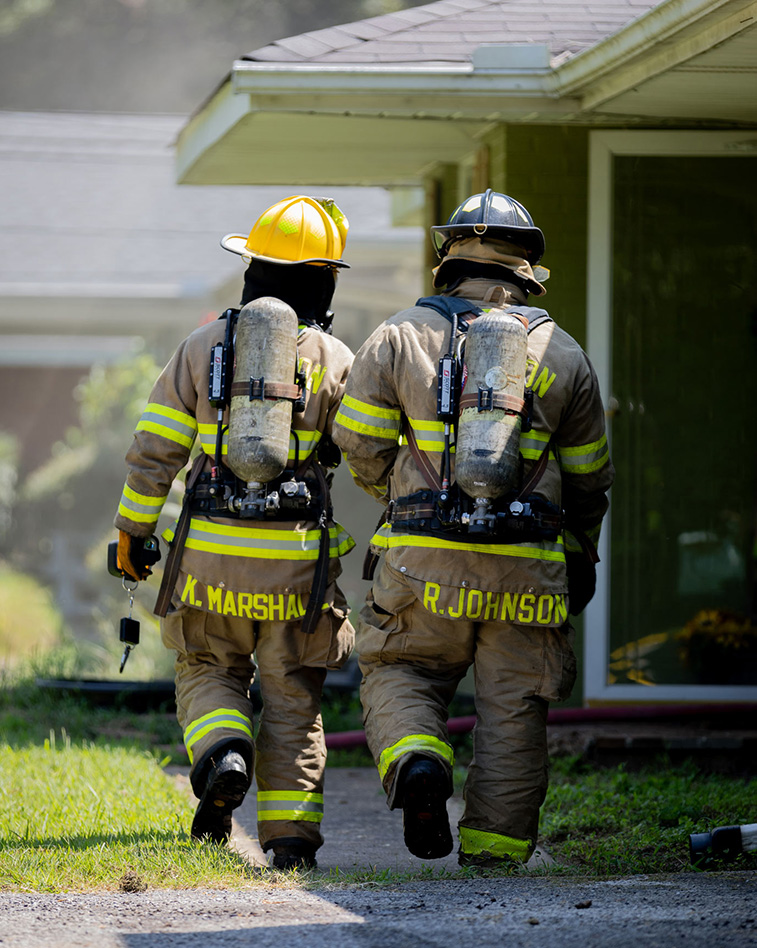
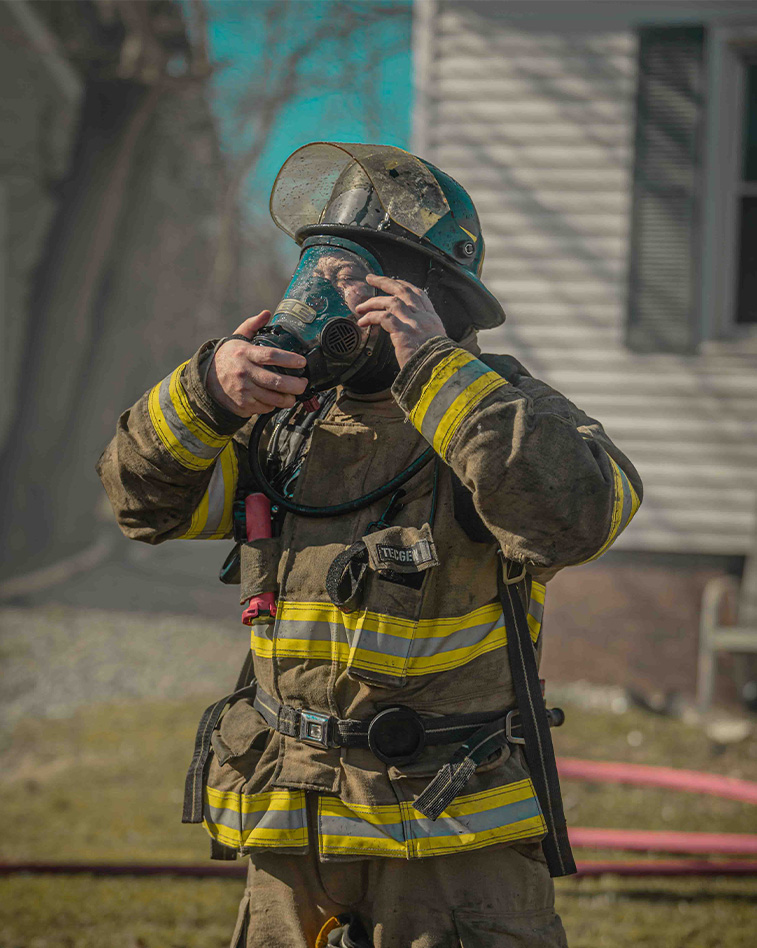
Modern fires require modern tactics. Project ESCAPE reinforces a life-first mindset on every response. Firefighters respond with the expectation that victims are inside and that survivability depends on seconds, not minutes.
Operational improvements focus on:
- Reducing Turnout time
- Optimizing Travel time
- Minimizing Tailboard time
- Accelerating Task completion
This “4 T’s” approach ensures that no phase of response is overlooked.
Data from national firefighter rescue studies shows survival rates are highest when victims are reached within two to four minutes of fire department arrival. Coordinated suppression and search, rather than strictly sequential tactics, increase successful rescue outcomes.